Embark on a journey through the world of lighting solutions for kitchen design, where functionality meets elegance in every corner.
Discover how the right lighting can transform your kitchen into a well-lit masterpiece that enhances both aesthetics and practicality.
Importance of Proper Lighting in Kitchen Design
Proper lighting is a crucial element in kitchen design as it can significantly impact the overall look and functionality of the space. The right lighting not only enhances the aesthetic appeal but also improves the practicality and usability of the kitchen.
Different Types of Lighting in Kitchen Design
- Task Lighting: Task lighting is essential for illuminating specific work areas such as countertops, sinks, and stovetops. It helps in ensuring safety and efficiency during food preparation and cooking.
- Ambient Lighting: Ambient lighting provides overall illumination to the kitchen, creating a warm and inviting atmosphere. It helps in reducing shadows and filling the entire space with light.
- Accent Lighting: Accent lighting is used to highlight certain features or focal points in the kitchen, such as artwork, architectural details, or decorative elements. It adds depth and visual interest to the design.
Types of Lighting Solutions for Kitchen Design
When it comes to lighting solutions for kitchen design, there are various options available to enhance both functionality and aesthetics in the space.
Pendant Lights
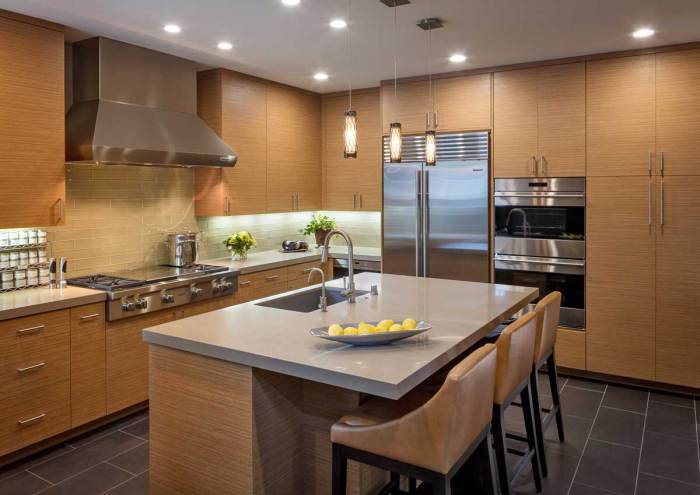
Pendant lights are a popular choice for adding focused task lighting over kitchen islands or dining areas. They come in a variety of styles, shapes, and finishes to complement different design themes.
Under Cabinet Lights
Under cabinet lights are ideal for providing additional task lighting on countertops for food preparation. They help illuminate the workspace and can also add a touch of ambiance to the kitchen.
Recessed Lighting
Recessed lighting fixtures are installed flush with the ceiling, offering a clean and minimalist look. They are great for general illumination in the kitchen and can be strategically placed to avoid shadows on countertops.
LED Lights vs. Fluorescent Lights vs. Halogen Lights
LED lights are energy-efficient, long-lasting, and come in a range of color temperatures to suit different needs. Fluorescent lights are cost-effective but may not offer the same quality of light as LEDs. Halogen lights provide bright, white light but are less energy-efficient compared to LEDs.
Innovative Lighting Solutions
Some innovative lighting solutions specifically designed for kitchen islands or dining areas include adjustable track lighting, smart lighting systems that can be controlled remotely, and pendant lights with adjustable heights for versatility in lighting design.
Lighting Layout and Placement Tips

When it comes to creating a well-balanced lighting layout in a kitchen, there are several best practices to keep in mind. Proper lighting not only enhances the overall design but also plays a crucial role in functionality and safety.
Importance of Layering Lighting
- Layering lighting in different areas of the kitchen, such as work zones and dining spaces, helps create a more dynamic and versatile lighting scheme.
- By incorporating ambient, task, and accent lighting, you can effectively illuminate various areas while also adding visual interest and depth to the space.
- Task lighting, positioned above work surfaces like countertops and islands, ensures proper illumination for cooking and food preparation.
- Accent lighting, such as under cabinet lights or toe kick lights, can highlight architectural features or create a warm ambiance in the kitchen.
Optimizing Natural Light Sources
- Maximizing natural light sources in kitchen design is not only energy-efficient but also enhances the overall aesthetic of the space.
- Strategically places windows, skylights, or glass doors can help bring in natural light, reducing the need for artificial lighting during the day.
- Consider using light-colored finishes and reflective surfaces to bounce natural light around the room, creating a brighter and more spacious feel.
- Utilize light-filtering window treatments to control glare and maintain a comfortable lighting environment throughout the day.
Integration of Smart Lighting Systems
Integrating smart lighting systems in kitchen design offers a range of benefits that go beyond just illuminating the space.
Enhanced Convenience and Energy Efficiency
Smart lighting controls in the kitchen can significantly enhance convenience and energy efficiency. With features such as motion sensors, timers, and remote access through smart devices, users can easily adjust lighting levels and settings based on their needs.
- Smart lighting systems can automatically adjust brightness levels based on natural light availability, helping to reduce energy consumption.
- Customizable lighting presets for various tasks, such as cooking, dining, or entertaining, can be easily programmed for quick access.
- Voice-controlled smart lighting systems offer hands-free operation, allowing users to turn lights on or off, adjust brightness, or change color temperatures with simple voice commands.
Lighting Solutions for Living Room
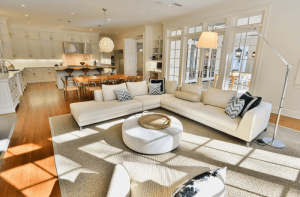
Lighting plays a crucial role in setting the ambiance and enhancing the functionality of a living room space. It can create a cozy atmosphere for relaxation, provide ample light for reading or working, and highlight certain features or artwork within the room.
Types of Lighting Fixtures for Living Rooms
- Floor Lamps: Floor lamps are versatile and can be used to provide ambient lighting or task lighting. They come in various styles and designs to complement different decor themes.
- Wall Sconces: Wall sconces are great for adding a decorative touch to the living room while also offering additional light. They can be used to create a layered lighting effect.
- Chandeliers: Chandeliers are elegant lighting fixtures that can serve as a focal point in the living room. They provide ambient lighting and add a touch of sophistication to the space.
Creating a Layered Lighting Scheme
When designing the lighting for a living room, it is essential to create a layered lighting scheme to accommodate various activities and moods. This involves incorporating different types of lighting fixtures to provide ambient, task, and accent lighting.
Outdoor Furniture and Lighting
When it comes to creating inviting outdoor spaces, the relationship between outdoor furniture and lighting plays a crucial role. The right combination of outdoor furniture and lighting fixtures can transform a dull outdoor area into a cozy and welcoming space.
Types of Lighting Solutions for Outdoor Areas
Outdoor areas can benefit from various types of lighting solutions to enhance their ambiance. Some popular options include:
- String Lights: These versatile lights can be hung across outdoor spaces to create a warm and inviting atmosphere.
- Lanterns: Lanterns add a touch of charm and can be placed on tables or hung from tree branches for decorative lighting.
- Pathway Lights: These lights are perfect for illuminating pathways, walkways, and garden borders, providing both safety and aesthetic appeal.
Tips for Selecting Weather-Resistant Outdoor Furniture
When choosing outdoor furniture to complement your lighting fixtures, it’s essential to opt for weather-resistant options that can withstand outdoor elements. Here are some tips to help you select the right outdoor furniture:
- Choose materials like teak, powder-coated aluminum, or synthetic wicker that are durable and weather-resistant.
- Consider the climate in your area and select furniture that can withstand rain, sun exposure, and temperature fluctuations.
- Look for furniture with UV-resistant cushions and fabrics to ensure longevity and color retention.
Enhancing Outdoor Spaces with Proper Lighting
Outdoor lighting plays a crucial role in not only enhancing the aesthetics of outdoor spaces but also ensuring safety during the night. Properly designed lighting can transform a dull outdoor area into a cozy and inviting space for relaxation and entertainment.
Creative Lighting Solutions for Outdoor Spaces
When it comes to outdoor patios, decks, and gardens, there are several creative lighting solutions to consider:
- String lights: These are versatile and can be hung along fences, wrapped around tree branches, or strung across a pergola to create a warm and inviting ambiance.
- Solar-powered lights: Ideal for pathways and garden borders, these lights are energy-efficient and environmentally friendly.
- LED step lights: These lights can be installed on steps or stairs to provide safety and guidance in dark outdoor areas.
Role of Landscape Lighting in Outdoor Spaces
Landscape lighting is essential for highlighting key features of outdoor spaces and creating a welcoming atmosphere:
- Accent lighting: Use spotlights or floodlights to illuminate trees, sculptures, or architectural elements in the garden, adding depth and visual interest.
- Path lighting: Install low-voltage lights along walkways to guide visitors safely through the garden and prevent tripping hazards.
- Uplighting: Position lights at the base of trees or shrubs to create a dramatic effect and draw attention to the vertical elements in the landscape.
Patio Furniture and Lighting Design
When it comes to outdoor spaces like patios, the right lighting can truly transform the area, creating a cozy and inviting ambiance. By integrating lighting fixtures into patio furniture design, you can not only enhance the functionality of the space but also add decorative elements that elevate the overall look and feel.
Integrating Lighting Fixtures into Patio Furniture
- Consider incorporating LED strips or rope lights into the framework of patio furniture, such as under the edges of tables or along the arms of chairs, to provide subtle ambient lighting.
- Opt for furniture pieces that come with built-in lighting elements, like tables with LED-lit bases or chairs with integrated solar-powered lamps, for a seamless and stylish lighting solution.
- Hang string lights or lanterns above seating areas to create a warm and inviting atmosphere, perfect for entertaining guests or enjoying a quiet evening outdoors.
Benefits of Solar-Powered Lighting Solutions
- Reduce energy consumption and lower electricity bills by choosing solar-powered lighting solutions for your patio, which harness the power of the sun to illuminate your outdoor space.
- Enjoy the convenience of wireless and self-sustaining lighting options that automatically charge during the day and light up your patio at night without the need for complex wiring or installation.
- Create an eco-friendly outdoor environment by using solar-powered lights that minimize your carbon footprint and contribute to a more sustainable lifestyle.
In conclusion, lighting solutions for kitchen design are not just about brightness; they are about creating a warm, inviting atmosphere that elevates your culinary experience.
User Queries
How can lighting impact the functionality of a kitchen?
Proper lighting can make tasks easier to perform in the kitchen, enhancing visibility and creating a more efficient cooking environment.
What types of lighting fixtures are suitable for kitchen spaces?
Various fixtures such as pendant lights, under cabinet lights, and recessed lighting can be used to provide adequate illumination in different areas of the kitchen.
Why is it important to layer lighting in a kitchen?
Layering lighting helps create depth and dimension in the kitchen, ensuring that all areas are well-lit for different tasks and activities.
How can smart lighting systems benefit kitchen design?
Smart lighting systems offer convenience, energy efficiency, and customizable options that can enhance the overall functionality and ambiance of a kitchen.